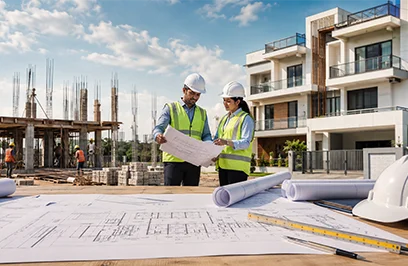
A building permit (also called building permission or construction permit) is the legal authorization issued by local municipal or planning authorities that confirms your proposed construction complies with building bylaws, zoning regulations, and safety norms. Without this approval, construction is illegal and may attract demolition orders, heavy fines, or criminal proceedings.
For homebuyers and investors, understanding permits is essential—not just for compliance, but to gauge how regulatory frameworks shape supply, pricing, and overall economic activity in real estate markets.
A building permit is a formal sanction that allows you to begin construction, renovation, or alteration of a structure. It ensures that residential building plans or commercial designs meet structural safety, fire safety, environmental, and land-use requirements. In India, this approval is commonly referred to as building approval, building sanction, or construction permission, and is issued by the Urban Local Body (ULB), municipal corporation, or development authority.
The permit process typically involves submitting architectural drawings prepared by a licensed architect, structural design certificates, land title documents, and paying plan scrutiny fees. Many cities now offer online permits through portals like OBPS (Online Building Permission System), enabling applicants to apply for this online, upload documents, pay fees, and track approvals digitally.
Building permits are categorized based on the nature and scale of construction. The most common types include:
These apply to single-family homes, duplexes, townhouses, and villas. A building permit for house construction falls under this category. Residential permits ensure that residential building plans comply with local FAR (Floor Area Ratio), setbacks, height restrictions, and parking norms.
Required for offices, retail spaces, malls, and mixed-use buildings. These permits often involve additional NOCs from fire, environment, and airport authorities (if near flight paths).
Applicable to apartment complexes and gated communities. These are treated differently from single-family residential permits due to higher density and infrastructure impact.
Cover specialized work like electrical, plumbing, mechanical, or fire protection systems. Even if you have a building approval certificate for the main structure, trade-specific permits may be needed for internal installations.
Include demolition permits, sign permits, fence permits, and accessory structure permits (like garages or sheds). For example, a construction permit for a retaining wall or solar installation may require a separate application.
These cover land grading, drainage, road access, and other civil infrastructure work before construction begins.
The typical workflow for obtaining a building permit certificate in India involves the following steps:
Cities like Delhi, Bengaluru, and Mumbai have streamlined this through online permits portals, reducing approval timelines from months to weeks
Building permits are more than bureaucratic formalities, they are economic indicators and growth levers. Here's how they influence the economy:
The number of permits issued directly affects housing supply. Streamlined building permission processes accelerate construction, increasing supply and moderating prices. Conversely, delays or excessive red tape can constrain supply, driving up costs and reducing affordability.
Construction is labor-intensive. Faster building permit for house or commercial project approvals create jobs not just in construction, but in allied sectors like cement, steel, transport, and retail. Every rupee invested in construction generates additional economic activity through this multiplier effect.
Permit data serves as a leading indicator of economic health. Rising permit issuance signals developer confidence and future economic activity, attracting investment. Declining permits may indicate slowdowns or regulatory bottlenecks.
Permit fees, development charges, and betterment levies contribute to municipal revenues. These funds are reinvested in roads, water supply, sewage, and public amenities, improving livability and property values.
A transparent building approval system encourages formal construction, reducing illegal buildings and unsafe structures. This improves urban planning, disaster resilience, and long-term economic stability.
Consider a young professional in Chennai looking to build a home on a 1,200 sq. ft. plot. Here's how permits shape their experience:
Without this building permit certificate, the homeowner risks demolition, inability to secure loans, and difficulties in resale.
For Omshakthy Homes audience—primarily homebuyers and investors in Tamil Nadu, understanding permits is critical for several reasons:
India's real estate sector is rapidly digitizing. Portals like OBPS, state e-District sites, and municipal apps now enable online permits for residential permits, commercial projects, and even trade-specific approvals. Benefits include:
For buyers, this means faster building permits for house approvals and greater confidence in the legitimacy of projects.
Building permits are the backbone of safe, compliant, and economically vibrant construction. From residential building plans to commercial complexes, every structure requires a construction permit to ensure it meets safety, zoning, and environmental standards. For homebuyers, verifying the building approval certificate is as important as checking the title deed. As India moves toward building permission online systems, the process is becoming faster, transparent, and more investor-friendly.
At Omshakthy Homes, we believe informed buyers make better decisions. Whether you're evaluating a new project or planning your dream home, understanding permits empowers you to navigate the real estate landscape with confidence.