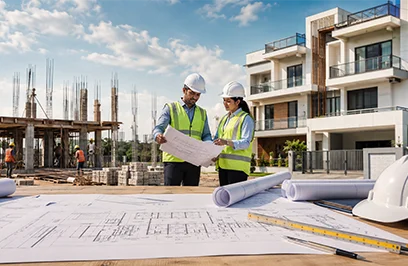
Renovating a house can be an exciting yet daunting task, especially if it’s your first time tackling such a project. Whether you want to refresh your living space, improve functionality, or increase your property’s value, knowing how to renovate a house properly is essential. This ultimate step-by-step guide walks you through the entire process and helps you understand the cost to renovate the entire house while delivering practical advice for every budget.
Before diving into any renovation, ask yourself: What do you want to achieve? Are you focusing on modernizing the kitchen, upgrading bathrooms, or a complete overhaul? Defining clear renovation goals helps you keep track of your needs and budget.
Knowing how to renovate a home starts with a detailed plan. Create a list of must-haves versus nice-to-haves. This will come in handy when balancing scope with expenses.
One of the most common questions is, “How do you renovate a house without breaking the bank?” Understanding renovation costs is crucial. The average cost to renovate a house varies depending on the size, location, and extent of renovation.
The average price to renovate a house in urban areas tends to be higher due to labor and material costs. If you want a ballpark estimate, the cost to completely renovate a house can range from moderate to high, depending on finishes and permits required. Knowing the cost to fully renovate a house will help set realistic expectations.
If you need to stick to a budget, there are tried and tested ways to proceed. Learning how to renovate a house on a budget involves prioritizing key areas with the highest impact and considering DIY elements where possible.
Break down your budget into categories like materials, labor, permits, and contingency. Always allocate extra for unexpected expenses, as renovations often uncover surprises.
While some small renovations can be DIY, for extensive projects, relying on experts is wise. For example, consulting plot developers in Chennai or experienced contractors can help you navigate regulations, source materials, and ensure quality.
Omshakthy Homes, known for their experience in development and construction, provides valuable insights if you are renovating in Chennai.
Renovations involving structural changes or expansions may require permits. Make sure all paperwork is in place to avoid fines or rework. Your contractor or developer partner can guide you on this.
Clear the renovation area by removing furniture, wall decorations, and valuables. Set up a temporary living arrangement if needed, especially for long projects, to avoid inconvenience.
If your renovation is a complete makeover, demolition is the first big step. Sometimes walls need to be repositioned or reinforced, plumbing and electrical systems updated, and floors repaired.
Shedding light on the best way to renovate a house involves doing structural repairs first before moving on to surface finishes.
Old wiring, pipes, and ventilation may need upgrading or replacement to meet modern standards and safety codes. This step falls under critical infrastructure and often accounts for a significant portion of the cost to renovate an entire house.
Once the skeleton is ready, install drywall, paint the walls, and lay flooring. This phase transforms the house’s look and feel. Choosing materials wisely can help manage the average cost to renovate a house while maintaining quality.
Often, the most expensive rooms to renovate, the kitchen and bathroom upgrades, can elevate home value significantly. Proper planning and investing in durable fixtures pay off. Evaluate deals and quotes to fit your cost to fully renovate a house.
Install lighting, fixtures, cabinetry, and appliances. Choose decor elements that complement your renovation style and enhance aesthetics.
Conduct a thorough inspection to ensure everything meets expectations and safety standards. Fix any last-minute issues, then prepare to move in.
Renovating your home can be a fulfilling journey when approached with the right knowledge, planning, and help. Whether it’s a small update or a full transformation, using this guide will make the process smoother while carefully managing the cost to renovate the entire house and achieving great results.
If you want expert assistance or insights on the best ways to upgrade your property, exploring options with Omshakthy Homes, reputed plot developers in Chennai, can be a great start.
Choosing between house renovation and buying a new home depends on your goals, budget, and attachment to the current location. House renovation lets you refresh interiors, upgrade kitchens or bathrooms, and improve functionality without the high costs and paperwork of a new purchase. It also helps increase property value when done strategically. On the other hand, buying a new home may suit you if structural changes are too expensive or the location no longer meets your needs.
When planning what to do first when renovating a house, always start with structural and essential systems. Prioritise repairing the foundation, roof, walls, and any major cracks or dampness issues. Next, upgrade critical infrastructure such as old wiring, plumbing, and ventilation to meet modern safety standards. Only after these core elements are secure should you move on to surface work like flooring, painting, and fixtures. This sequence avoids rework and protects your investment.
If your project is large or involves structural changes, you may wonder, do I need an architect for renovation? For extensive makeovers, a professional architect or designer is highly beneficial. They help optimise space, ensure structural safety, and align the design with local building rules. Professionals also coordinate with contractors, suggest suitable materials, and help you avoid costly mistakes. For minor cosmetic updates, you may manage without one, but complex renovations are smoother with expert guidance.
For a successful house renovation, selecting the right contractor is crucial. Start by checking their experience, reviews, and previous projects, especially in similar types of homes. Ask for detailed written quotations that break down labour, materials, and timelines. Ensure they understand your goals, budget, and local regulations. In Chennai, partnering with reputed developers or contractors familiar with approvals and quality standards can make the renovation process smoother, safer, and more cost-efficient.
The cost to renovate a house varies widely based on size, location, and renovation scope. In urban areas, labour and material prices are generally higher, increasing overall expense. A basic refresh may involve painting and minor repairs, while a full renovation with kitchen and bathroom upgrades, new flooring, and systems can be significantly costlier. Always plan a detailed budget that includes materials, labour, permits, and a contingency amount for unexpected issues uncovered during work.
To save money on home renovation, begin with a clear plan and prioritise high-impact areas like the kitchen, bathrooms, and essential repairs. Distinguish between must-haves and nice-to-haves so you can trim nonessential items if costs rise.
Wondering how long a full house renovation takes? The timeline depends on the home’s size, the complexity of changes, and how many structural or system upgrades are required. Projects involving demolition, wall changes, and electrical or plumbing overhauls will naturally take longer. Planning, approvals, and material availability also affect duration.
The best time to renovate a house is when the weather, contractor availability, and your personal schedule align. Dry seasons are generally preferred for structural repairs, exterior work, and painting, as they reduce moisture-related delays. Also consider your family’s routine renovating when you can manage temporary disruptions, noise, and dust is important.
During home renovation work, safety must be a top priority. Ensure electrical power and gas lines are handled only by qualified professionals to prevent shocks or leaks. Keep the area clear of unnecessary clutter, and use proper protective gear like masks, gloves, and safety glasses. If you live on-site, isolate the work zones, especially from children and elders. Proper ventilation, safe disposal of debris, and adherence to building and fire safety norms are essential throughout the project.
There are several home renovation mistakes to avoid. Skipping detailed planning and starting work without a clear scope or budget often leads to overspending and rework. Ignoring structural issues or old wiring and focusing only on cosmetic upgrades can create serious safety risks later. Hiring unqualified contractors solely because they are cheap is another common error. Not keeping a contingency fund and failing to obtain necessary permits or inspections may cause delays, fines, or poor-quality results.
Many owners ask, does renovation increase property value? Well-planned upgrades usually enhance resale value, especially when you modernise kitchens, bathrooms, and living spaces. Improving functionality, storage, and lighting makes the home more attractive to buyers. Structural repairs, updated plumbing and wiring, and quality finishes also build buyer confidence. However, overcapitalising with extremely high-end finishes that exceed the area’s typical pricing may not yield proportional returns, so always balance investment with local market trends.
The frequency of house renovation depends on wear and tear, lifestyle changes, and evolving design preferences. Minor updates like repainting, replacing fixtures, or refreshing décor may be done every few years. Larger renovations, such as kitchen or bathroom overhauls and major system upgrades, are typically considered every 10–15 years or when problems arise. Regular maintenance and timely small fixes can delay the need for a full renovation while keeping your home safe, functional, and visually appealing.
If you plan to renovate my house with structural changes, extensions, or major layout modifications, you will likely need approvals from local authorities. This may include permits for structural alterations, electrical and plumbing modifications, and changes to building elevation. Working with an experienced contractor or developer helps you understand which works require permissions and ensures compliance with regulations.
When considering the house renovation tax, the impact depends on local regulations and the nature of the expenses. In many cases, routine repairs are treated as personal expenses, while certain improvements that enhance the property’s life or value may have implications during resale or for capital gains calculations. Keep detailed bills and records of renovation costs. Consulting a tax professional familiar with property rules in your region ensures you correctly understand any benefits or liabilities related to renovation spending.